NFJP Adult Participant Success Story: Driving Change – How Perseverance and Partnership Open New Roads for Agricultural Workers


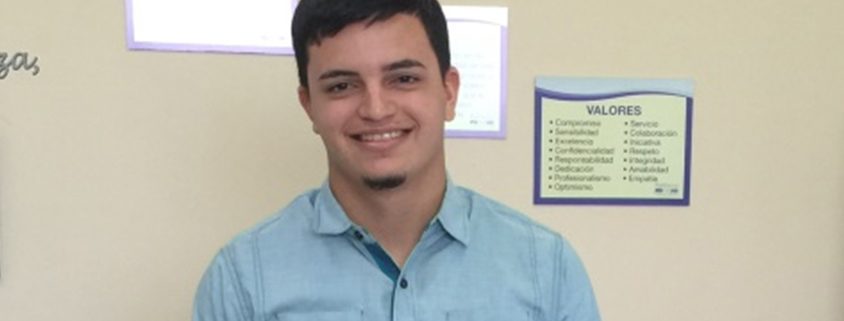
At the Truck Driving Institute, two Proteus participants are proving that hard work and determination can open new doors. Matthew and Brenton, two young men from the same county, are taking their CDL training together through the National Farmworker Jobs Program (NFJP) Proteus, Inc., and in the process, have built a friendship rooted in shared experiences and big dreams.


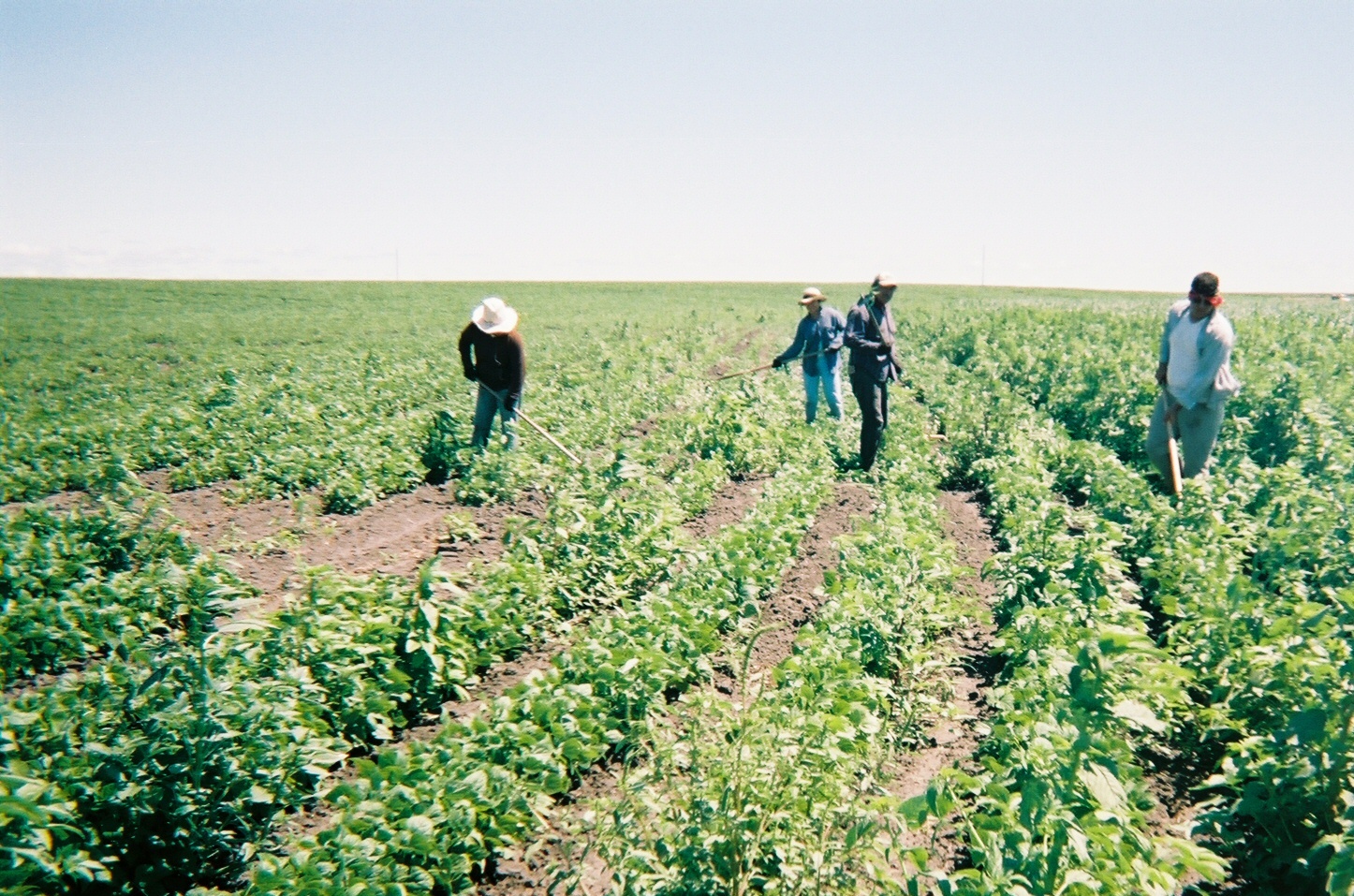
Both men come from farming backgrounds, where long days, unpredictable weather, and physical labor taught them the meaning of perseverance. That same work ethic now drives them as they commute every day to complete their training. They found Proteus through TDI’s referrals and quickly learned how the program helps agricultural workers gain new skills and access higher-paying, stable jobs.


For Matthew, the motivation is his daughter. He’s determined to create a better life for her, one where he can provide, grow, and set an example of resilience and love. Brenton, meanwhile, has his sights set on continuing in the agriculture industry, but this time at a higher pay scale. His goal is to build a career that honors his roots while opening the door to greater financial independence.


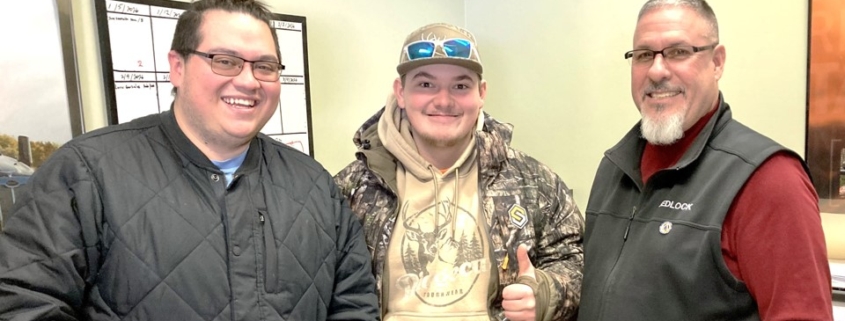
Standing beside them is Mike, a dedicated partner to Proteus and a true champion for agricultural workers. Mike knows the farming life well—he owns his own farm—and takes great pride in helping agricultural workers discover new opportunities. “Mike has to be one of the most unselfish people I’ve met,” said Jesusa, Proteus’s Senior Career Coach. “He always goes above and beyond for our participants, especially those who come from farming backgrounds.”


With Mike’s support, Proteus’ guidance, and their own courage, Matthew and Brenton are now preparing for the final step: completing their training and taking the CDL test. Once they pass, they’ll be ready to step into better-paying, self-sustaining careers that reflect their dedication and drive. Their story is more than just about training; it’s about community, opportunity, and the power of believing in what’s possible.

Seeking Speakers for the 2026 AFOP National Conference

Call for Presenters: “From Fields to Futures”

Proudly powered by WordPress

NFJP Success Story

USA SENATE

From the Desk of the Executive Director

After a late start caused by the delayed completion of the fiscal year 2017 spending process, congressional appropriators have begun moving fiscal year 2018 funding bills, including the Labor-HHS-Education measure that covers the National Farmworker Jobs Program (NFJP).  The House version of the bill would cut NFJP by roughly $10 million to $72 million from the fiscal year 2017 level-funded amount of $82 million.  Approved by subcommittee, the measure awaits full Appropriations Committee consideration.  The Senate has not yet released its fiscal year 2018 legislation.  The president earlier this year recommended to Congress that it terminate NFJP entirely.

Looking at the big picture, the House recently passed a fiscal year 2018 “minibus” appropriations measure that includes $658 billion for national defense, though the topline exceeds the spending cap set by the 2011 Budget Control Act by $72 billion.The bill would fund the Defense Department’s base budget at $584 billion and its Overseas Contingency Operations account at $74 billion. The base budget funding is $68 billion above what was enacted in fiscal year 2017 and $18 billion more than what the Trump Administration sought for fiscal year 2018.

The Senate Appropriations Committee announced recently, however, that it is writing a defense spending bill that, unlike the House version, adheres to the BCA in the hopes of hashing out a bipartisan deal to raise the caps.  Such an agreement, like past agreements, could provide much-needed cap relief for non-defense discretionary program funding.  Should that occur, NFJP will be in a much stronger position to win the appropriations it needs to continue providing the nation’s struggling agricultural workers the hand up they need to help themselves going forward.

The one thing that shouldn’t go missing in the story of food

The one thing that shouldn’t go missing in the story of food
By: Kathleen Nelson, Director of Workforce Development

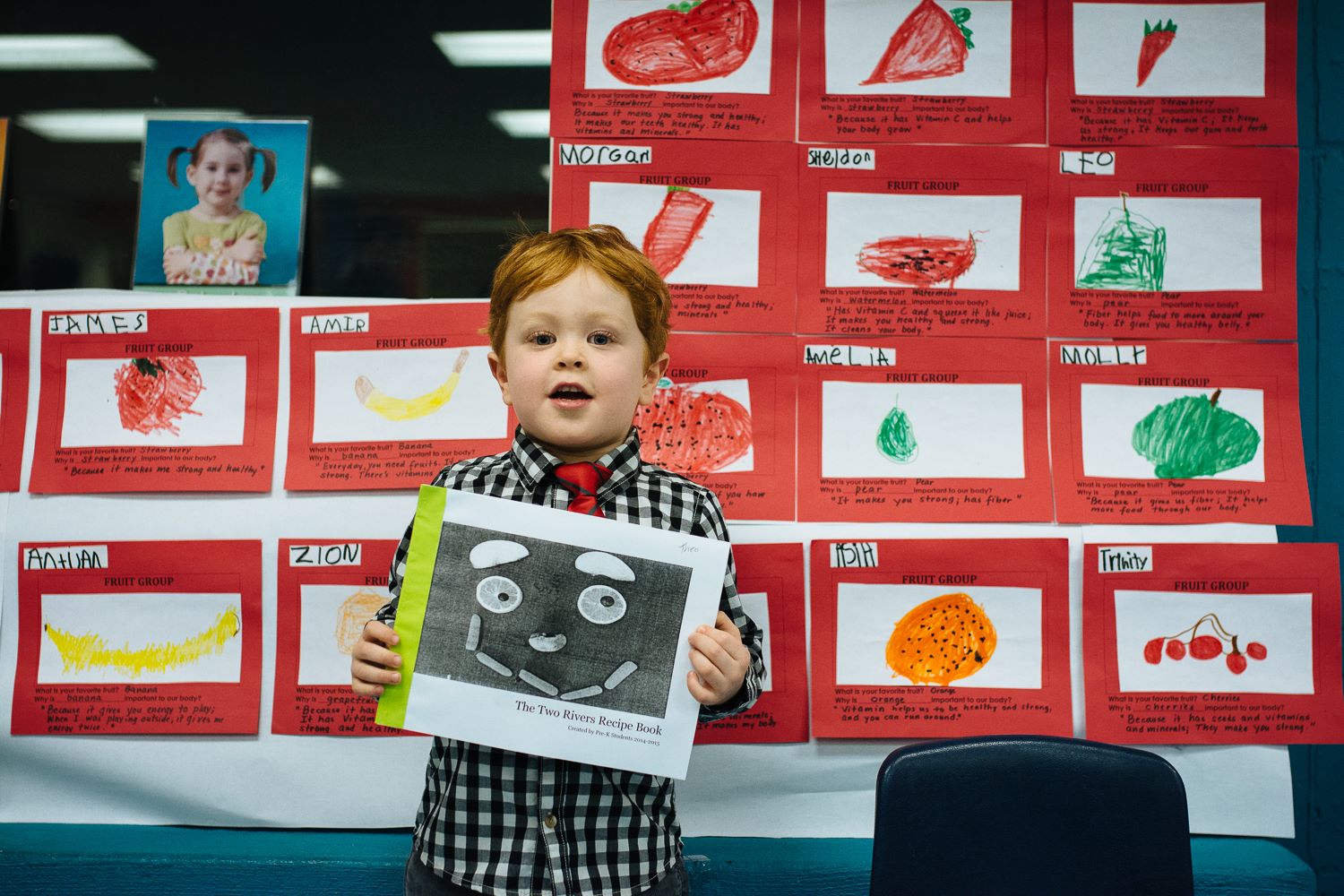
I’m currently blessed with a very inquisitive four-and-a-half-year-old spitfire full of questions about the world.  This year in his preschool class, the children spent the autumn learning about food and nutrition. They learned about healthy eating, and what kinds of foods are ‘anytime foods’ like fruits and vegetables and what kinds of foods should be eaten ‘only once in a while’ like cookies and cakes.  (That lesson may have only slightly taken—“Once in a while means once every day after dinner, right?” he sweetly asks.)  They visited supermarkets, gardens, and a farm, and they talked about how fruits and veggies are grown, where their cheeseburgers come from, and what goes into their bread – and what happens when that food goes into their bodies.  They’re developing critical thinking skills, (“Mommy, do you need glasses because you never ate enough carrots?”) and asking great questions.

Crucially, my son learned that farmers grow and pick our food.  Then, trains and trucks bring the food to markets and grocers where we can buy it.  While this simplified narrative about our food was mostly perfect for his preschool class, we must make sure that our farmworkers aren’t missing from the story we tell ourselves and our children.  The vital role farmworkers play in our nation’s harvests, nourishing our bodies and the economy, should be honored and celebrated.  It’s also critical that we don’t allow these workers to be left in the dark.  Without visibility, this community of people is vulnerable to exploitation that would never be allowed to stand in any other industry — there are children working in the field, there’s exposure to dangerous pesticides and chemicals, and the workers all too often earn unfair wages.

National Farmworker Awareness week is a great time to start a conversation with your family over the dinner table or on the way to school.  I’m happy to report that my own little guy doesn’t leave this vital community out of the story anymore — what about your family?