Farmworker Health & Safety Programs

The Association of Farmworker Opportunity Programs recognizes that farmworkers face many obstacles to improving their lives, and the nature of their work is dangerous and harmful not only to their health, but to the health of their family members as well.   The AFOP membership seeks to mitigate the health and safety risks that farmworkers are exposed to each day.  Through its Farmworker Health & Safety Programs, over half the AFOP organizations are able to provide health and safety training and resources to their communities as a core service.

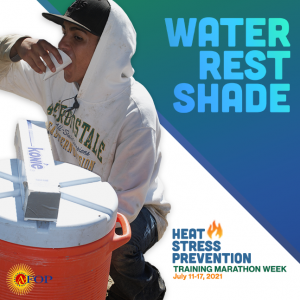
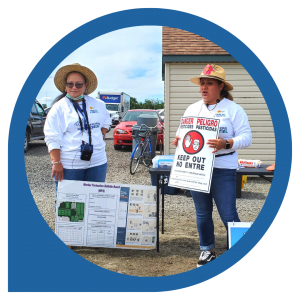
To address the needs of workers in one of the most dangerous jobs in the country, AFOP’s Health & Safety Programs strive to empower farmworkers to protect themselves against pesticides and heat stress through health and safety education. With generous funding support from the U.S. Environmental Protection Agency (EPA) and the U.S. Department of Labor’s Occupational Safety and Health Administration (OSHA), AFOP operates the National Pesticide Safety Program for Agricultural Workers and Farmworker Children as well as a national Heat Stress Prevention Program for Agricultural Workers and Employers.

National Pesticide Safety Program for Agricultural Workers and Farmworker Children

Project HOPE (Health Outreach through Pesticide Education)

SAFE/AmeriCorps Pesticide Safety Education Project

Project LEAF (Limiting Exposures Around Families)

Proyecto Sol

The Hazards of Working in the Fields:

  • Agriculture is among the top three most hazardous occupations in the U.S.
  • The EPA estimates that 300,000 farmworkers suffer from pesticide poisoning each year
  • 20,000 – 30,000 farmworkers seek medical assistance for acute toxic poisoning each year
  • AFOP surveys indicate that 87% of the farmworkers interviewed have never received pesticide safety training, in spite of the regulations spelled out in the Worker Protection Standard
  • Between 1992 and 2006, 68 crop workers have died from heat related illness; nearly  a rate of 20 times the rate of similar deaths in the general workforce
  • Migrant health clinics report more than 1,000 cases of dehydration among farmworkers each year
  • Temperatures in fields are generally 8-10 degrees (F) higher than the daily high reported by the National Weather Service


To stay up to date on Health & Safety Programs, check out our publications, follow us on Twitter, like on Facebook, or read our entries on the AFOP blog!

AC Logo