Heat Stress Facts
■ WATER - REST - SHADE ■ Excessive heat stress can harm anyone, especially outdoor workers. Over 1 million farmworkers work under extreme heat each day. On an average day, temperatures in the fields are 8-10 degrees (F) hotter than the reported daily high. During peak production seasons, July and August, workers are in the fields 12 hours or more, in temperatures that frequently exceed 100 degrees. Many agricultural workplaces do not have shaded areas for a break from the heat. North Carolina, Florida, and California lead the nation in heat-related fatalities among farmworkers. Heat can induce dehydration, nausea, exhaustion, stroke, and even death. To prevent heat stress: Drink water frequently. Drink enough water that you never become thirsty. To prevent heat stress: Wear a hat and light-colored clothing.
DOWNLOAD
our take-home materials:
*The Heat Stress Prevention Flipchart has been approved by OSHA, it cannot be altered otherwise it will have to be re-submitted for approval.
**To use and/or re-use the flipchart illustrations please submit a request to Melanie Forti at forti@afop.org
To schedule a heat stress prevention training please contact us here !
According to the Centers for Disease Control and Prevention, farmworkers die from heat-related illness at a rate 20 times greater than that of the entire U.S. civilian workforce. Yet, with appropriate steps, heat-related illness is preventable and fatalities are easily avoided. AFOP’s Health & Safety Programs seeks to save lives and preserve health, providing farmworkers and agricultural employers with the knowledge they need to make healthy decisions in the field.
When farmworkers are exposed to a hot environment, their bodies must get rid of the excess heat to maintain a stable internal temperature of 98.6 degrees Fahrenheit. The body may use several mechanisms to cool itself, such as evaporation (sweat), conduction (body comes into contact with something cooler than itself), convection (air passing over the surface of the skin “lifts” heat off of the surface), and radiation (heat is released to the air even in the absence of wind).
ABOUT HEAT STRESS…
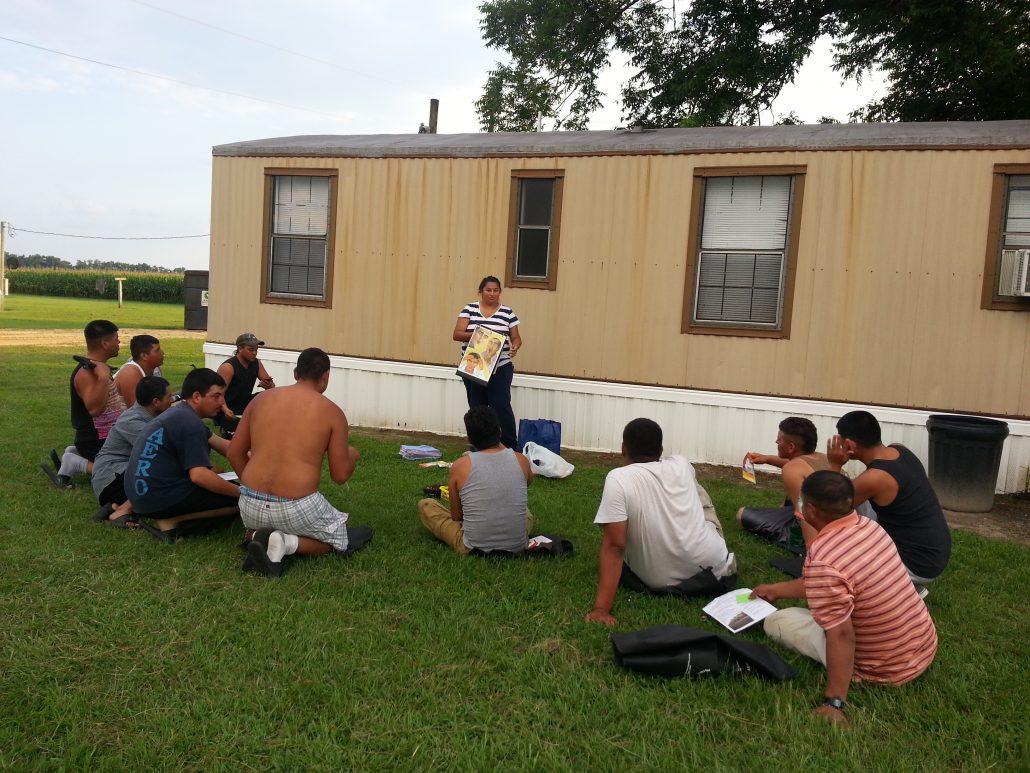
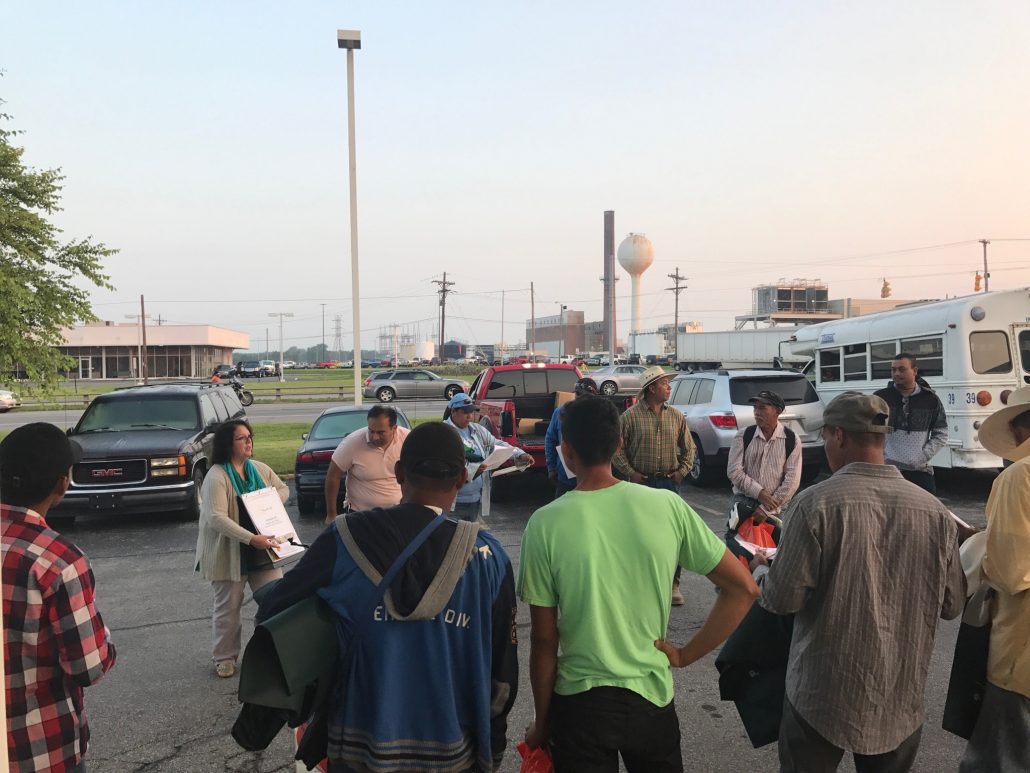
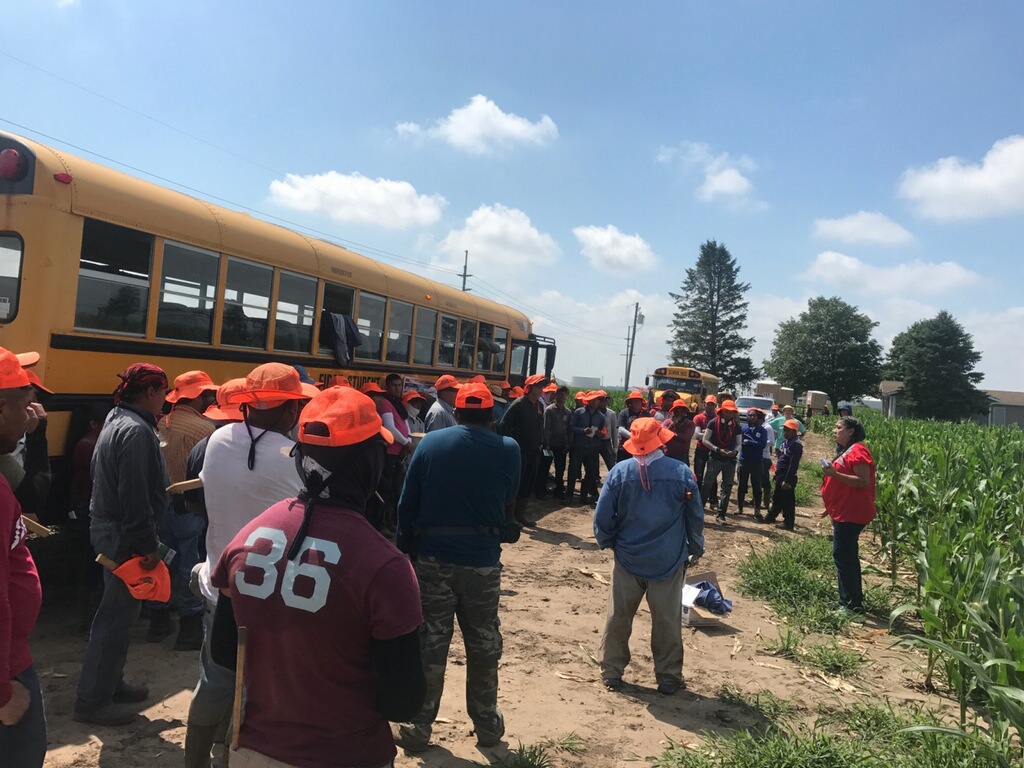
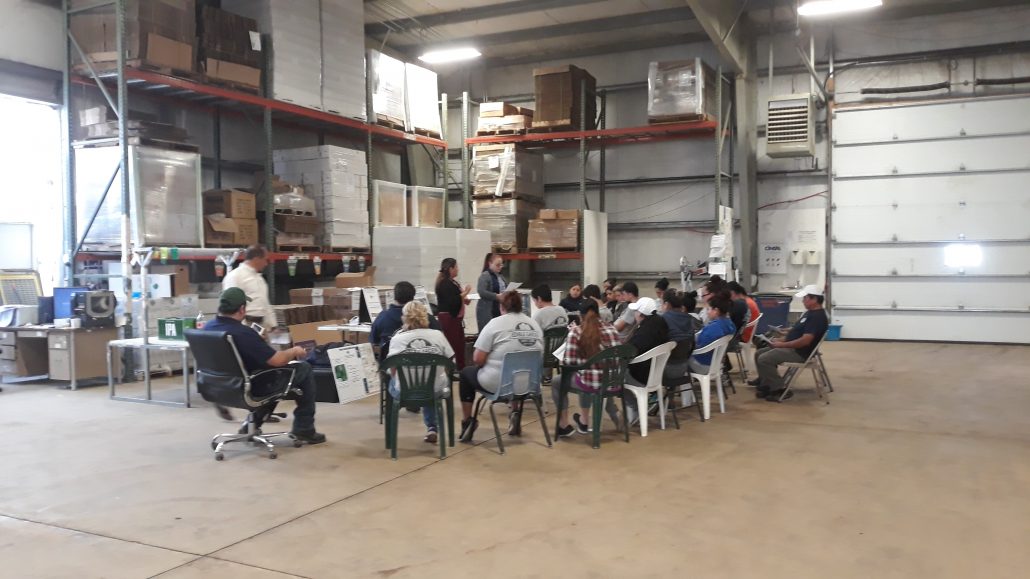
AFOP Health & Safety Programs provide a wide range of occupational health and safety training to the farmworker community. One important topic is Heat Stress Prevention. In our low-literacy and bilingual curriculum, our trainers offer agricultural workers and employers the tools on how to protect themselves from a heat-related illness.
Our heat stress prevention curriculum includes:
- what are heat stress and heat stroke
- sings and symptoms
- what to do in case of emergency
- how to prevent a heat-related illness
SYMPTOMS
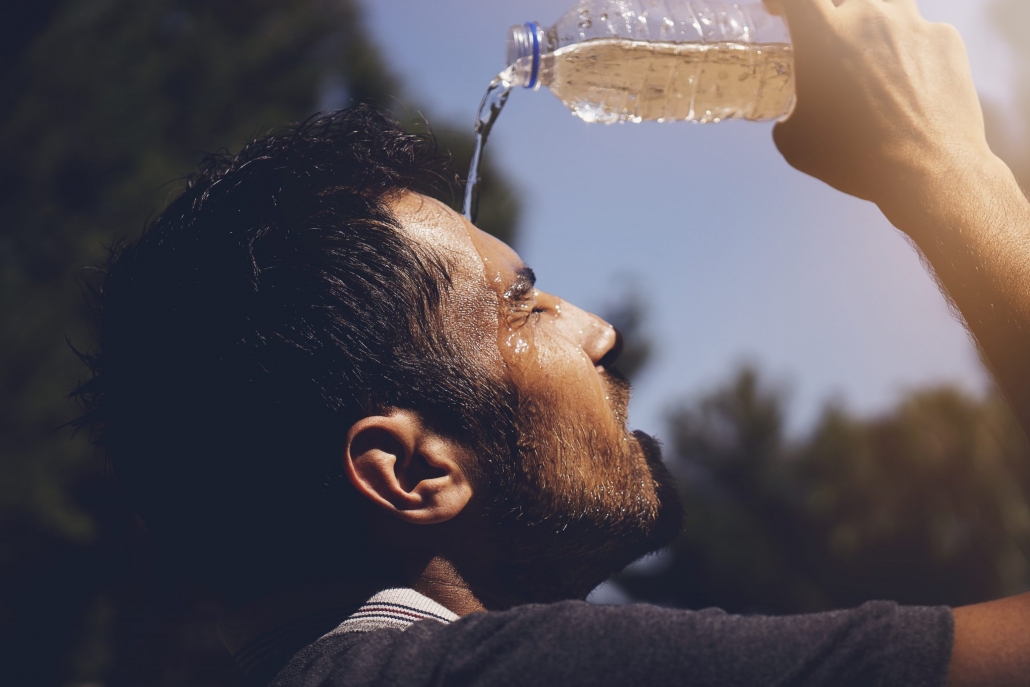
When our body cannot get rid of excess heat, it will store it. When this happens, the body’s core temperature rises and the heart rate increases. As the body continues to store heat, the person begins to lose concentration and has difficulty focusing on a task, may become irritable or sick, and often loses the desire to drink. The next stage is most often fainting and even death if the person is not cooled down.
Excessive exposure to heat can cause a range of heat-related illnesses, from skin rash and cramps to heat exhaustion and heat stroke, which could result in death if prompt medical attention is not provided.
Heat stroke, the most serious form of heat-related illness, happens when the body becomes unable to regulate its core temperature. Sweating stops and the body can no longer rid itself of excess heat. Signs include confusion, loss of consciousness, and seizures. “Heat stroke is a medical emergency that may result in death! Call 911 immediately.
Heat exhaustion is the body’s response to the loss of water and salt from heavy sweating. Signs include headache, nausea, dizziness, weakness, irritability, thirst, and heavy sweating.
Heat cramps are caused by the loss of body salts and fluid during sweating. Low salt levels in muscles cause painful cramps. Tired muscles—those used for performing the work—are usually the ones most affected by cramps. Cramps may occur during or after working hours.
Heat rash, also known as prickly heat, is a skin irritation caused by sweat that does not evaporate from the skin. Heat rash is the most common problem in hot work environments.
PREVENTION IS KEY
Heat stress prevention is very important to keep in mind as the summer temperatures rise and the harvest season picks up around the country. Working in the fields under the full sun at 90° F and up is the main factor contributing to heat stress, but other factors can come into play such as age, fitness level, pre-existing medical conditions, heavy machinery, pesticides, and humidity, among others. Farmworkers can prevent a heat-related illness by taking a few simple steps such as drinking water, taking small breaks, and being in the shade.
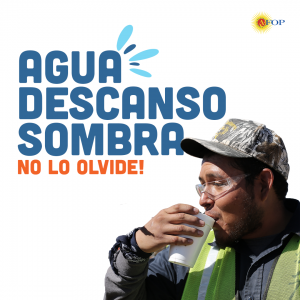
Prevention is very important to avoid this kind of health disaster. In other words, prevention is extremely important to maintaining healthy wellbeing. It is vital to remember these three simple words: Water, Rest, and Shade. Taking these precautions can mean the difference between life and death.
HEAT STRESS IS A KILLER IN THE FIELDS
- On an average day, temperatures in the fields are 8-10 degrees (F) hotter than the reported daily high from the National Weather Service
- During peak production seasons, July and August, workers are in the fields 12 hours or more, in temperatures that frequently exceed 100 degrees
- Many workplaces do not have shaded areas for a break from the heat
- Frequently, clean drinking water is not available (we have reports that some unscrupulous growers charge the farmworkers for bottled water)
- To protect themselves from pesticide exposure and skin cancer, farmworkers are instructed to wear long sleeves, long pants, socks, boots, hats, and neck scarves— these precautions exacerbate the problem of heat
- The EPA reports that Workers Compensation claims for heat-related illness among farmworkers is the highest of any occupation
- North Carolina, Florida, and California lead the nation in heat-related fatalities among farmworkers
HEAT STRESS PREVENTION TRAINING
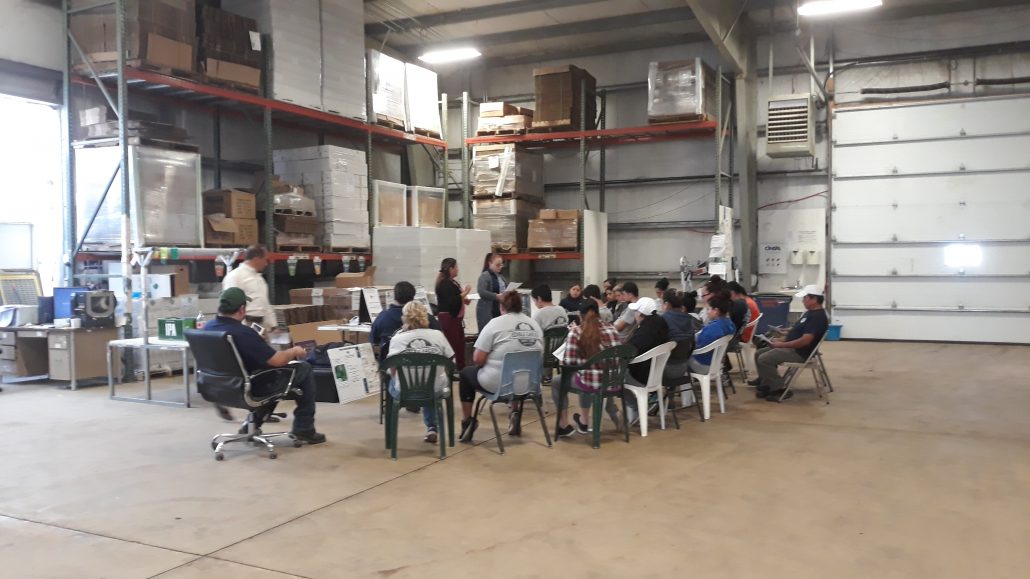
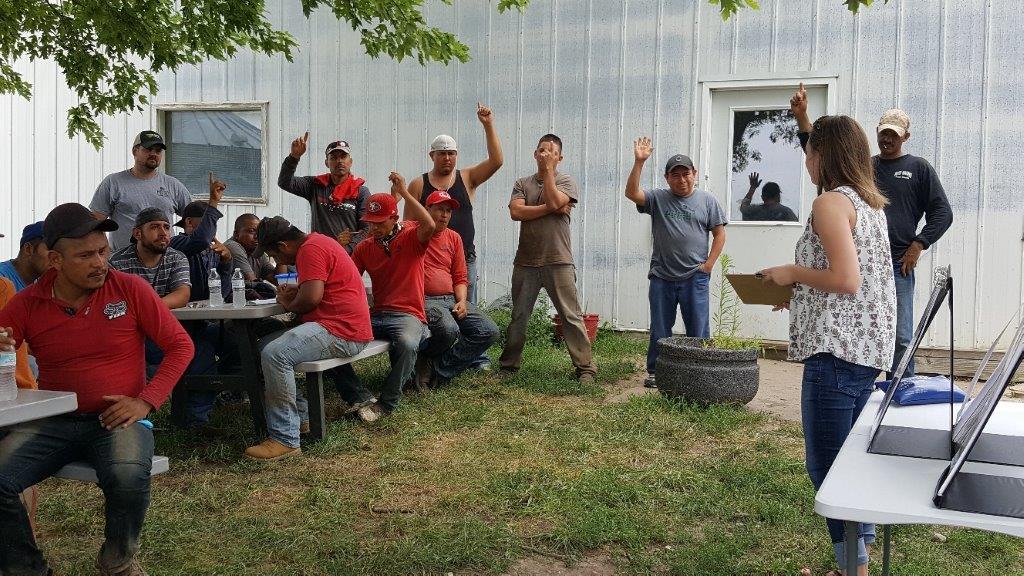
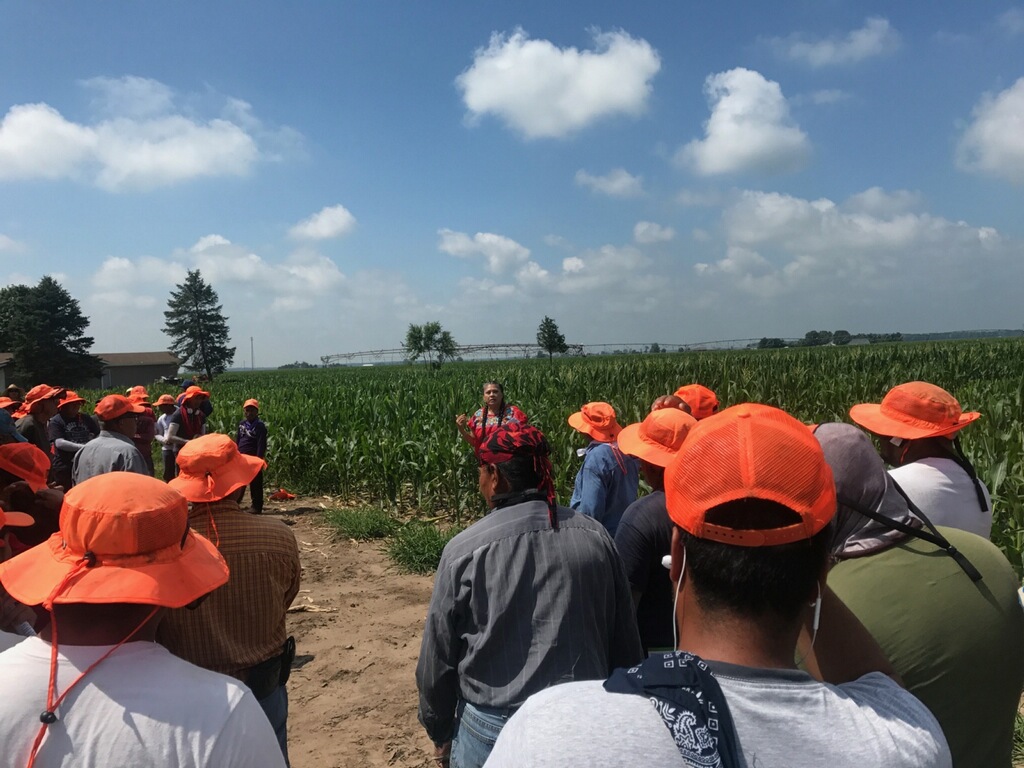
AFOP’s Health & Safety Training Program provides diverse training topics to farmworkers, among them heat stress prevention. Our trainers provide farmworkers with the necessary tools to recognize the symptoms of heat-related illness, how to prevent heat stress/heat stroke, and what to do in cases of emergency. It also provides agricultural employers with training on how to prevent a heat stress incident and how to properly respond if an incident does occur.
- Few regulations exist for occupational heat stress prevention. Recognizing this gap, AFOP works to educate farmworkers and employers alike about the benefits of prevention and appropriate first aid response.
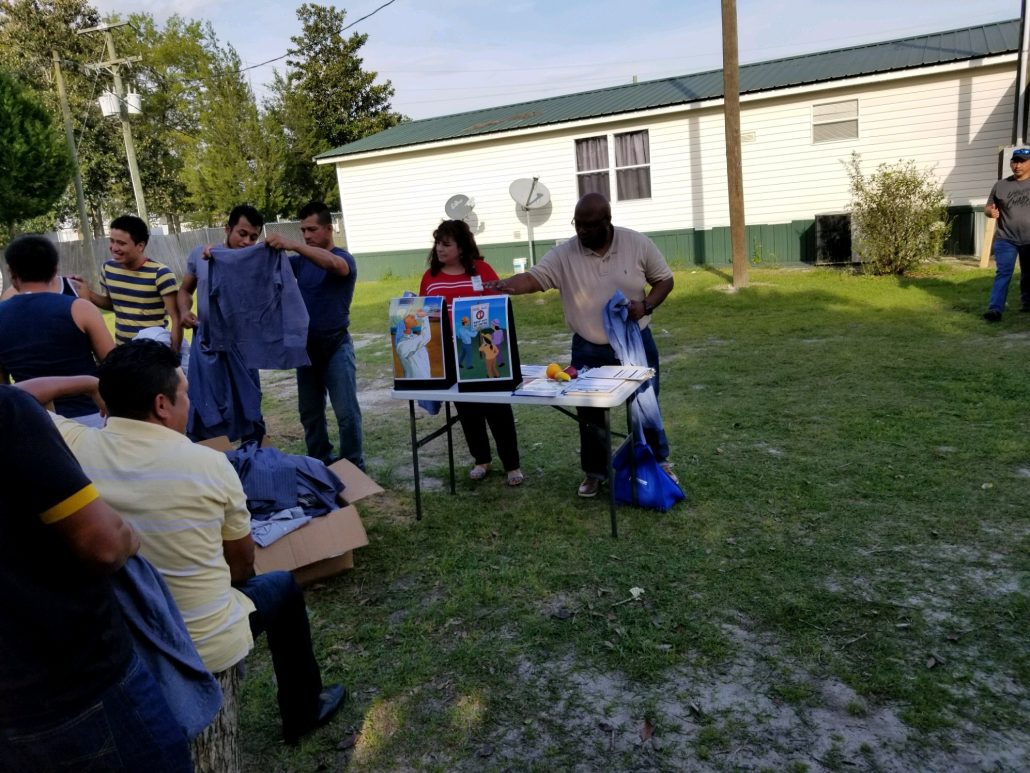
- Many farmworkers do not speak English and do not have high levels of formal education. The heat stress prevention curriculum is a bilingual, low-literacy approach to health education. Trainers employ a number of visual aids and interactive training techniques, striving to educate individuals with a wide array of learning styles.
Why is it important to prevent heat illness? Heat illness can be a matter of life and death. Workers die from heat stroke every summer and every death is preventable. When heat stroke doesn’t kill immediately, it can shut down major body organs causing acute heart, liver, kidney, and muscle damage, nervous system problems, and blood disorders.
Having a serious injury or death occur at work affects everyone at a worksite.
Workers suffering from heat exhaustion are at greater risk for accidents since they are less alert and can be confused.
RECOMMENDATIONS FOR WORKERS
Workers should avoid exposure to extreme heat, sun exposure, and high humidity when possible. When these exposures cannot be avoided, workers should take the following steps to prevent heat stress:
- Wear light-colored, loose-fitting, breathable clothing such as cotton.
- Avoid non-breathing synthetic clothing.
- Gradually build up to heavy work.
- Schedule heavy work during the coolest parts of the day.
- Take more breaks in extreme heat and humidity.
- Take breaks in the shade or a cool area when possible.
- Drink water frequently. Drink enough water that you never become thirsty. Approximately 1 cup every 15-20 minutes.
- Avoid alcohol, and drinks with large amounts of caffeine or sugar.
- Be aware that protective clothing or personal protective equipment may increase the risk of heat stress.
- Monitor your physical condition and that of your coworkers
RECOMMENDATIONS FOR EMPLOYERS
Employers should take the following steps to protect workers from heat stress:
- Schedule maintenance and repair jobs in hot areas for cooler months.
- Schedule hot jobs for the cooler part of the day.
- Acclimatize workers by exposing them for progressively longer periods t
- o hot work environments.
- Reduce the physical demands of workers.
- Use relief workers or assign extra workers for physically demanding jobs.
- Provide cool water or liquids to workers.
- Avoid alcohol, and drinks with large amounts of caffeine or sugar.
- Provide rest periods with water breaks.
- Provide cool areas for use during break periods.
- Monitor workers who are at risk of heat stress.
- Provide heat stress training that includes information about:
-
-
- Worker risk
- Prevention
- Symptoms
- The importance of monitoring yourself and coworkers for symptoms
-
Treatment
-
- Personal protective equipment
NATIONAL HEAT STRESS PREVENTION WEEK
WATER – REST – SHADE
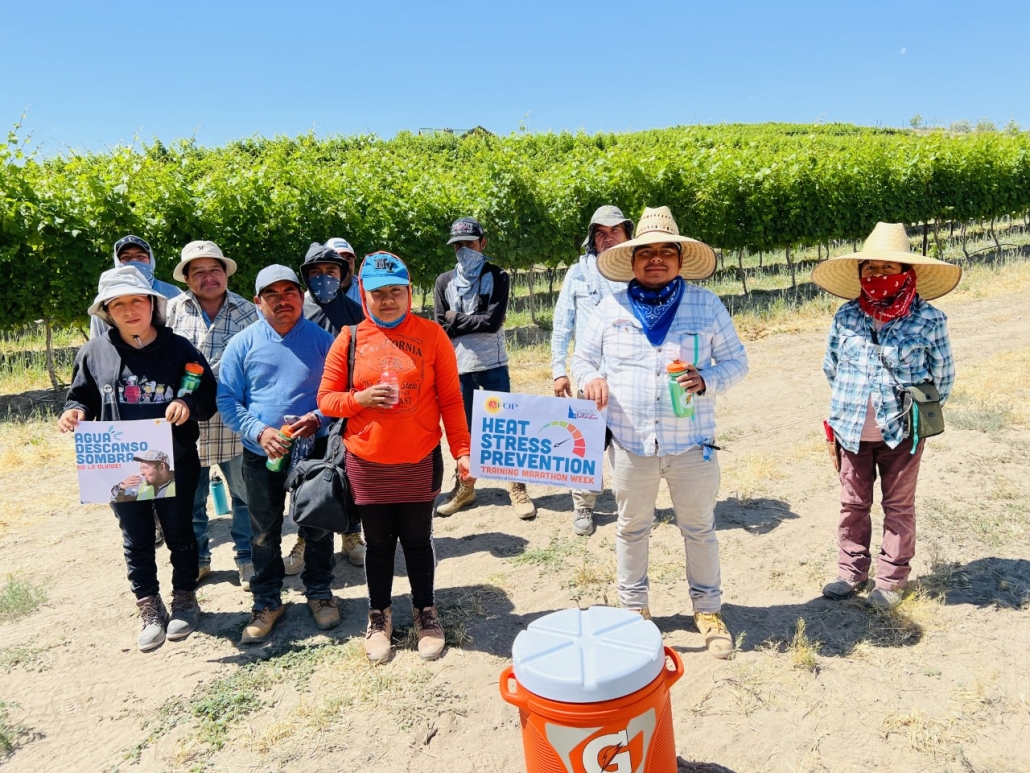
Every year, AFOP and its network of partners join the national effort to raise awareness of the potential health issues of suffering a heat-related illness while working in agricultural settings.
During this campaign, AFOP’s trainers conduct heat stress prevention training, hold multiple awareness events, and run a social media campaign.
To learn more about this campaign, please click HERE!
PHOTOS HEAT STRESS
PREVENTION CAMPAIGNS